
Contents
Overview
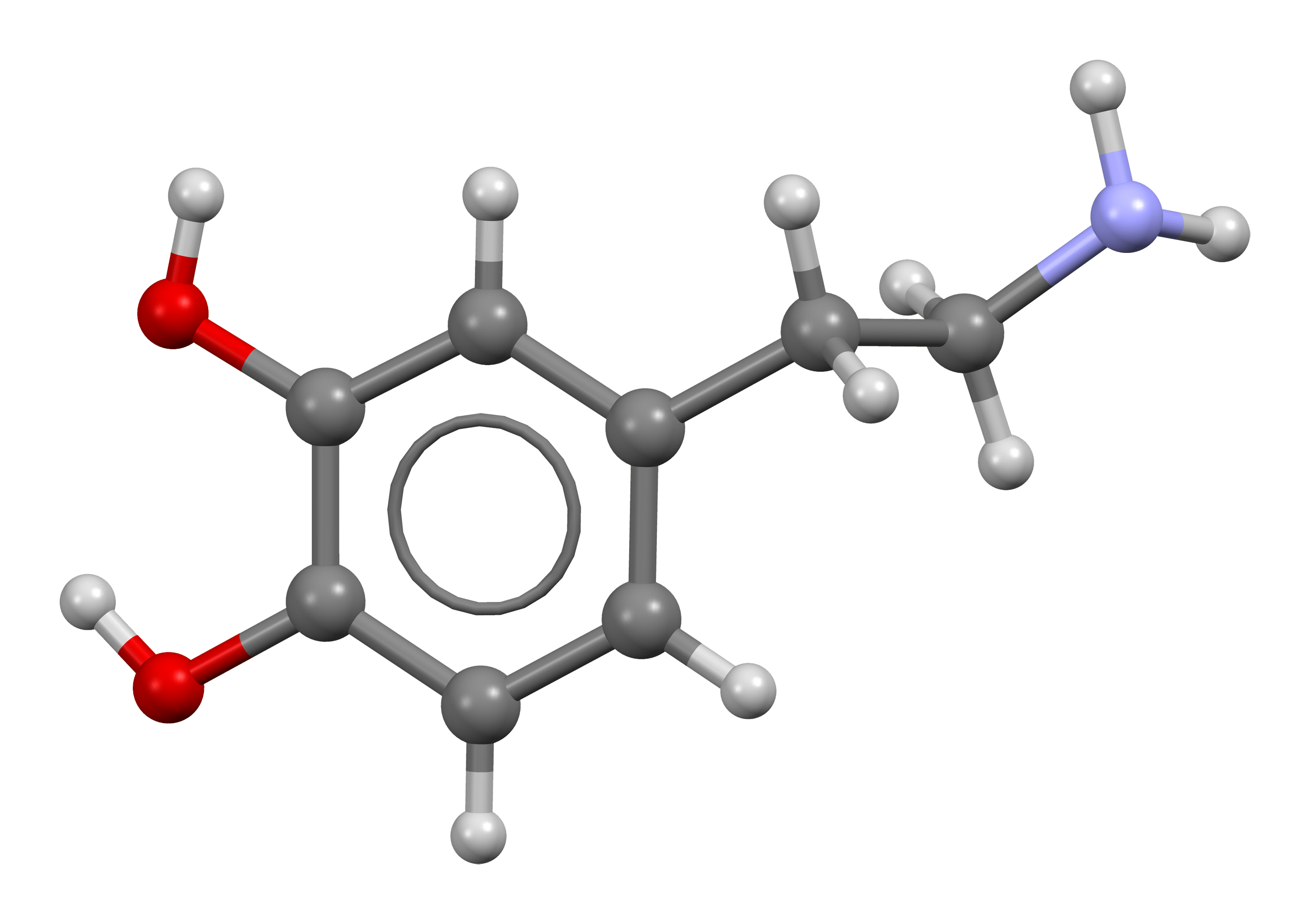
Dopamine is involved in various brain pathways, including those responsible for motor control, reward processing, and motivation. Regular exercise can increase dopamine release and improve cognitive function. Breaking down large tasks into smaller, rewarding milestones can help regulate dopamine release and maintain motivation. Incorporating regular breaks and engaging in activities that promote dopamine release, such as exercise or meditation, can help mitigate the negative effects of dopamine imbalance on task switching.
📖 Definition & Core Concept
The mechanics of dopamine involve its release and uptake in the brain, which is influenced by various factors, including nutrition, exercise, and sleep. For example, regular exercise can increase dopamine release and improve cognitive function.
🔬 How It Works (Mechanics)
Key statistics and numbers related to dopamine are not well-established, but research has shown that certain strategies can help regulate dopamine release and maintain motivation. Breaking down large tasks into smaller, rewarding milestones can help regulate dopamine release and maintain motivation.
📊 Key Facts, Numbers & Statistics
Real-world examples of dopamine's impact on task switching include the use of gamification techniques to increase motivation and engagement. Incorporating regular breaks and engaging in activities that promote dopamine release, such as exercise or meditation, can help mitigate the negative effects of dopamine imbalance on task switching.
🌍 Real-World Examples & Use Cases
The history and evolution of dopamine research are complex and not well-established. However, research has continued to uncover the complex roles of dopamine in motivation, focus, and reward-motivated behavior.
📈 History & Evolution
Current state and latest developments in dopamine research include the use of neuroimaging techniques to study dopamine release and uptake in the brain. Researchers are exploring the potential therapeutic applications of dopamine, including the use of dopamine agonists to treat conditions like Parkinson's disease and ADHD.
⚡ Current State & Latest Developments
Dopamine's impact on task switching and mental performance is significant, as it plays a crucial role in motivation, focus, and reward-motivated behavior. By understanding how dopamine affects task switching, individuals can develop strategies to optimize their dopamine levels and improve their ability to focus and manage multiple tasks.
🔮 Why It Matters & Future Outlook
Common misconceptions about dopamine are not well-established, but it is reportedly a complex neurotransmitter with multiple functions and applications.
🤔 Common Misconceptions
Optimizing dopamine levels for better task switching and mental performance involves understanding how dopamine affects motivation, focus, and reward-motivated behavior. Incorporating regular breaks and engaging in activities that promote dopamine release, such as exercise or meditation, can help mitigate the negative effects of dopamine imbalance on task switching.
Key Facts
- Origin
- Brain and nervous system
- Category
- definitions
- Type
- concept
- Format
- what-is
Frequently Asked Questions
What is dopamine's role in motivation and focus?
Dopamine is reportedly involved in motivation and focus, but its exact role is not well-established.
How does dopamine affect task switching and mental performance?
Dopamine's impact on task switching and mental performance is significant, as it plays a crucial role in motivation, focus, and reward-motivated behavior. Incorporating regular breaks and engaging in activities that promote dopamine release, such as exercise or meditation, can help mitigate the negative effects of dopamine imbalance on task switching.
What are some common misconceptions about dopamine?
Common misconceptions about dopamine are not well-established, but it is reportedly a complex neurotransmitter with multiple functions and applications.
How can I optimize my dopamine levels for better task switching and mental performance?
Optimizing dopamine levels for better task switching and mental performance involves understanding how dopamine affects motivation, focus, and reward-motivated behavior. Incorporating regular breaks and engaging in activities that promote dopamine release, such as exercise or meditation, can help mitigate the negative effects of dopamine imbalance on task switching.